

Bark Mulch
The classic garden-bed finish for the coast — holds moisture through dry spells, slows weeds, and feeds the soil as it breaks down. Wants a top-up every year or two as it decomposes.
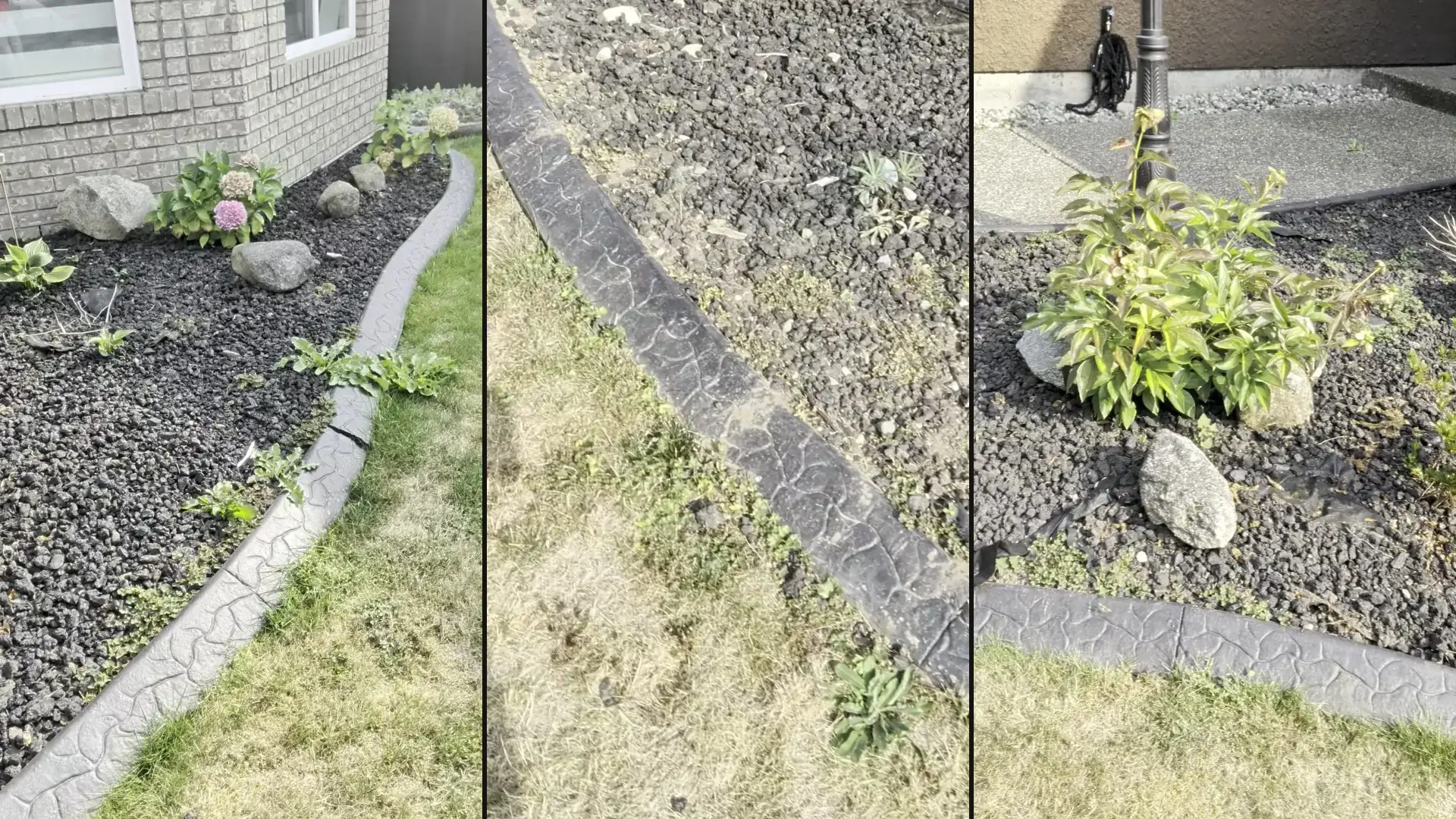

Mulch installation and garden-bed refresh for South Surrey, White Rock & Delta — weeded, edged, spread evenly and cleaned up, on one fixed written quote.
A real Ironwood bed refresh — weeds cleared, the bed reset, and the material renewed so the whole frontage reads finished again. When you are ready, we will do yours.
Anyone can dump mulch on a bed. The difference between a fresh bed that lasts and one that looks tired again by July is everything that happens before and after the wheelbarrow. Here is our standard scope:
We quote the material that suits the planting and the way the bed is used, not whatever is cheapest to spread.
The classic garden-bed finish for the coast — holds moisture through dry spells, slows weeds, and feeds the soil as it breaks down. Wants a top-up every year or two as it decomposes.
For beds where the planting matters more than the finish — a compost or garden-soil top-up feeds the bed directly, on its own or under a bark layer.
A clean, low-maintenance finish that never needs replacing — though it still collects weeds and debris over time. We refresh existing rock beds and install new ones — see lava rock installation.
The right scope depends on what is under the surface. This is the decision we walk through on every site visit:
| Simple top-up | The existing layer is thin, clean and breaking down normally. We weed, tidy the edge, and add fresh material over top — the most economical refresh. |
|---|---|
| Refresh with partial removal | The old layer is patchy, matted in places, or weeds have rooted through it. We strip the failed areas, weed properly, and rebuild the layer evenly. |
| Full reset | The bed has been neglected for years — compacted old mulch, torn landscape fabric, established weeds. Everything comes out, the bed is prepared from the soil up, and the new material finally has a chance to perform. |
| Depth | For bark mulch, a common working range is 2–3 inches after settling — enough to suppress weeds and hold moisture without smothering roots. Rock and compost run to different depths. One number does not fit every material, so we confirm it per bed. |
| Where mulch never goes | Piled against tree trunks, shrub stems and plant crowns, against wood siding, or over drains and utility covers. Volcano-mulching a tree slowly kills it — pulling material back from stems costs nothing and protects the planting. |
On sloped beds, wind-exposed frontages and areas that get leaf-blown every week, loose material migrates — onto paths, into lawns, down the driveway. A sprayed mulch stabilizer (often called mulch glue) binds the top layer and can help reduce that movement.
Curious whether it actually works? We wrote an honest guide: Does mulch glue really work? →
A Peninsula front garden we brought back — established weeds cleared from the rock beds, torn fabric dealt with, edges cleaned, and the material renewed.
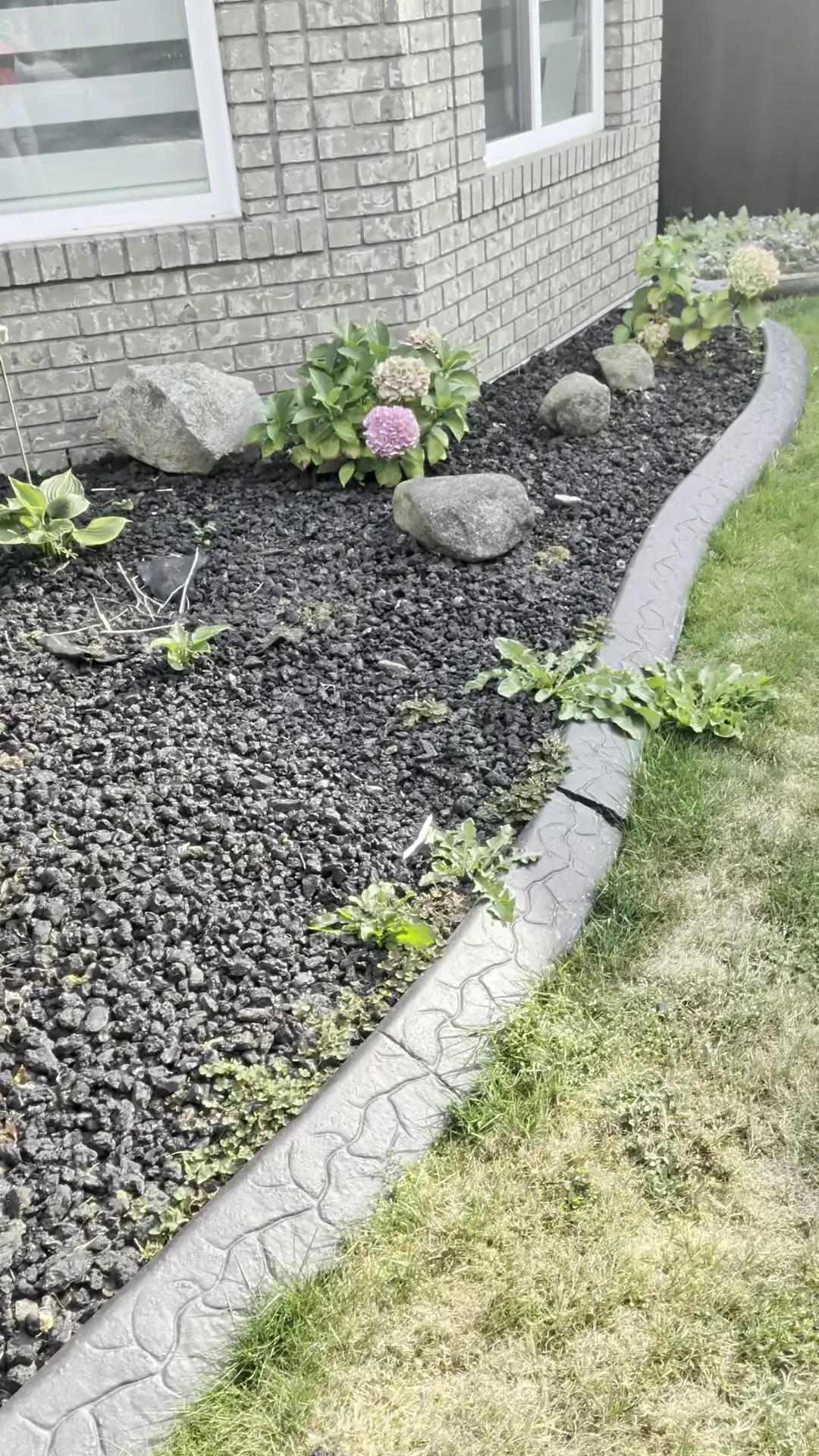
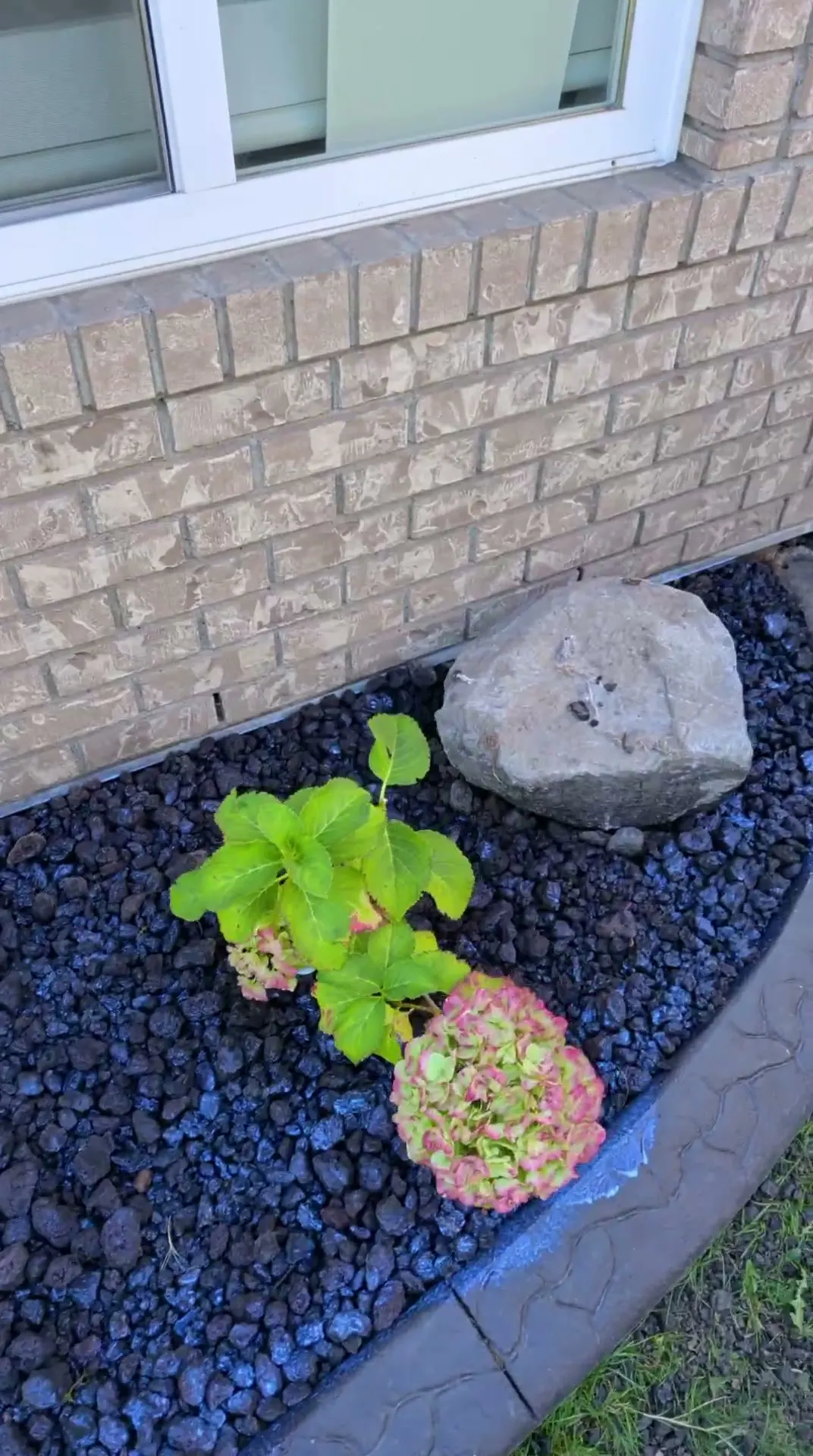
Lava-rock bed refresh — weeded, cleared and reset around the existing planting.
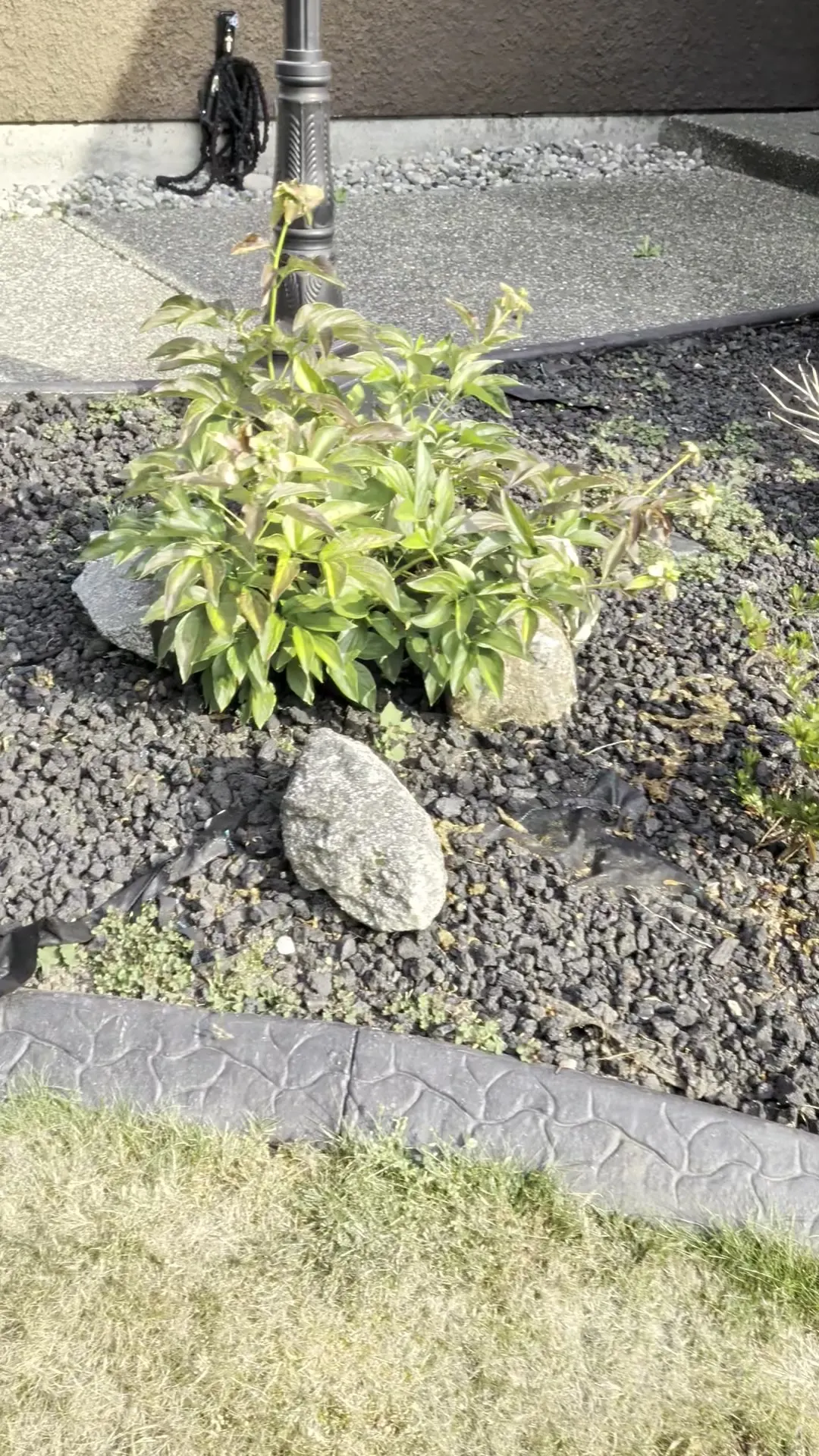
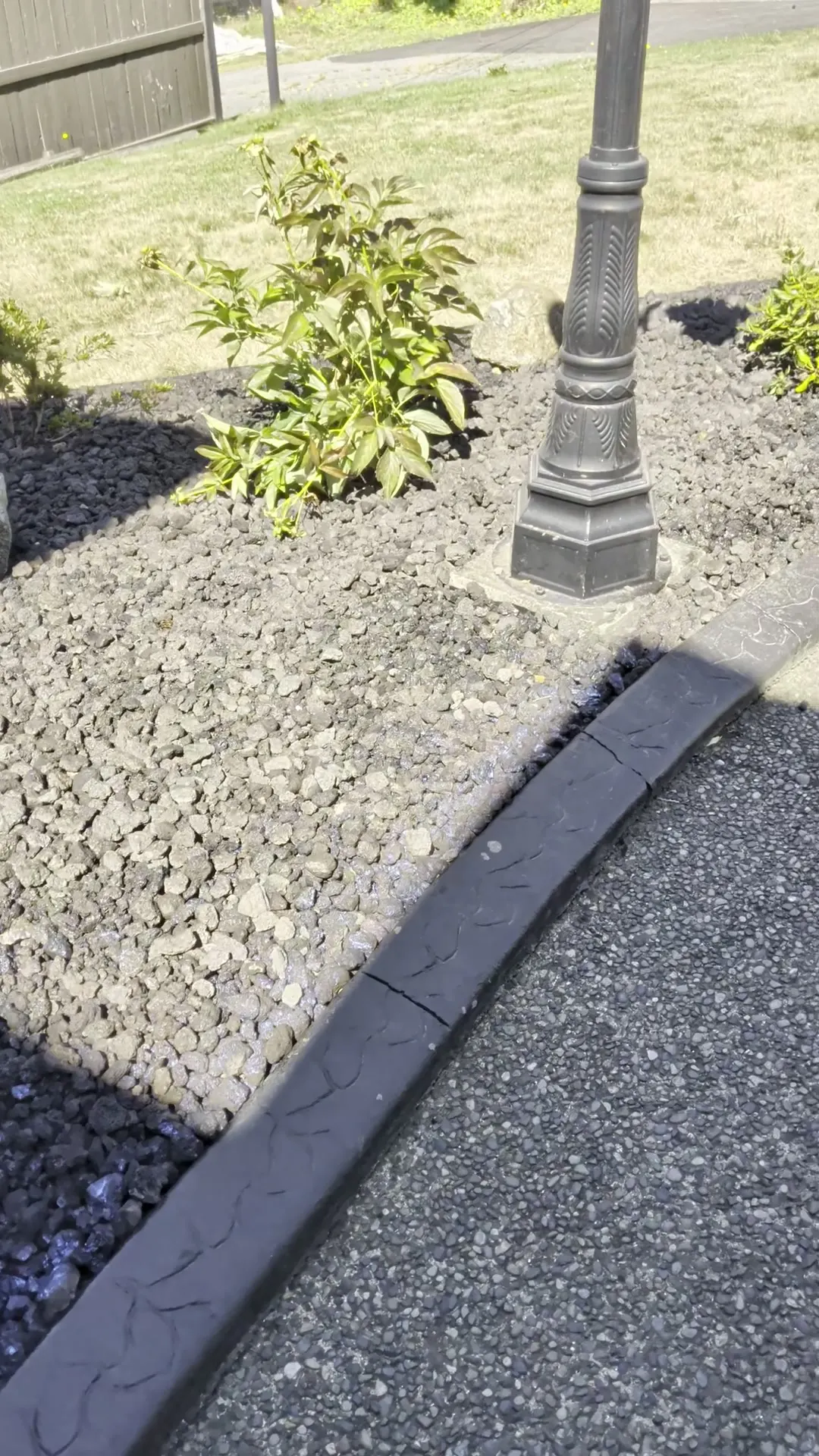
Exposed fabric and rooted weeds removed, the bed levelled, and the curb line brought back.
No hourly rate, no surprises. You know the full price before a single yard of material is ordered.
We walk the beds together, measure them, and talk through material, depth and what should come out — usually within one business day of your request.
One clear written price covering preparation, material, delivery, spreading and cleanup. No pressure to decide on the spot.
Weeds out, edges cut, delivery timed, material placed and spread evenly — kept off stems, out of drains, and away from siding.
We walk the finished beds with you, and if you want them kept this way, our grounds care visits include mulch top-ups.
Prefer to run the numbers yourself first? These are the same guides and tools we use to scope a job.
Staying local is how we keep quality high and scheduling tight. Ironwood Grounds refreshes beds across the Peninsula — South Surrey, White Rock, Ocean Park, Morgan Creek, Tsawwassen, Ladner and the wider Delta area.
You can, but on most beds it wastes the material. Mulch laid straight over weedy or compacted ground lets weeds push through within weeks. We weed the bed, clear debris, define the edge as scoped, and then spread — that preparation is most of what you are paying a professional for.
Not always. If the existing layer is thin, clean and breaking down normally, a top-up over it works well. We recommend removal when the old layer is matted, mouldy, full of weed roots, or already deep enough that adding more would bury plant crowns. We tell you which applies during the site visit.
A common working range for bark mulch is 2 to 3 inches after settling — enough to suppress weeds and hold moisture without smothering roots. The right depth depends on the material and the planting, so we confirm it per bed. Our mulch calculator turns your measurements into cubic yards.
Piled against tree trunks, shrub stems or plant crowns, against wood siding, or over drains and utility boxes. We keep mulch pulled back from trunks and stems and leave drainage paths clear — over-mulching is one of the most common mistakes we correct.
On the coast, spring — once beds have been weeded and the soil is warming — and fall are both good windows. Summer installs are fine too if the bed is prepared properly. The season matters less than the preparation; our coastal timing guide goes deeper.
Yes. Mulch slows weeds down but does not kill what is already rooted. Established weeds pushed through a fresh layer are the most common reason a new mulch job disappoints. Weeding first is part of our standard scope.
Bark and wood mulches do — they decompose into the soil over a few seasons, which is good for the bed but means the layer thins and fades. That is why most mulched beds want a top-up every year or two. Decorative rock does not break down, but it does collect debris and weeds over time and benefits from a periodic refresh.
A defined bed edge and the right depth handle it on most flat beds. For sloped or exposed beds, or areas that get leaf-blown regularly, an optional mulch stabilizer can help reduce movement — we are honest about where it is worth the extra cost and where it is not.
We coordinate delivery as part of the job — the right volume ordered, the drop spot planned, and the material moved from the pile into the beds. One quote covers the work; you are not left managing a mulch pile on your driveway.
It depends on bed area, depth, material, access and how much preparation the beds need — which is why we quote after a site visit rather than guessing over the phone. Our cost guide explains every factor honestly, with no invented averages.
The Peninsula communities of Metro Vancouver: South Surrey, White Rock, Ocean Park, Morgan Creek, Tsawwassen, Ladner and the wider Delta area.
Tell us a little about the beds and we will set a site visit — usually within one business day — then put one clear written price in your hands.