

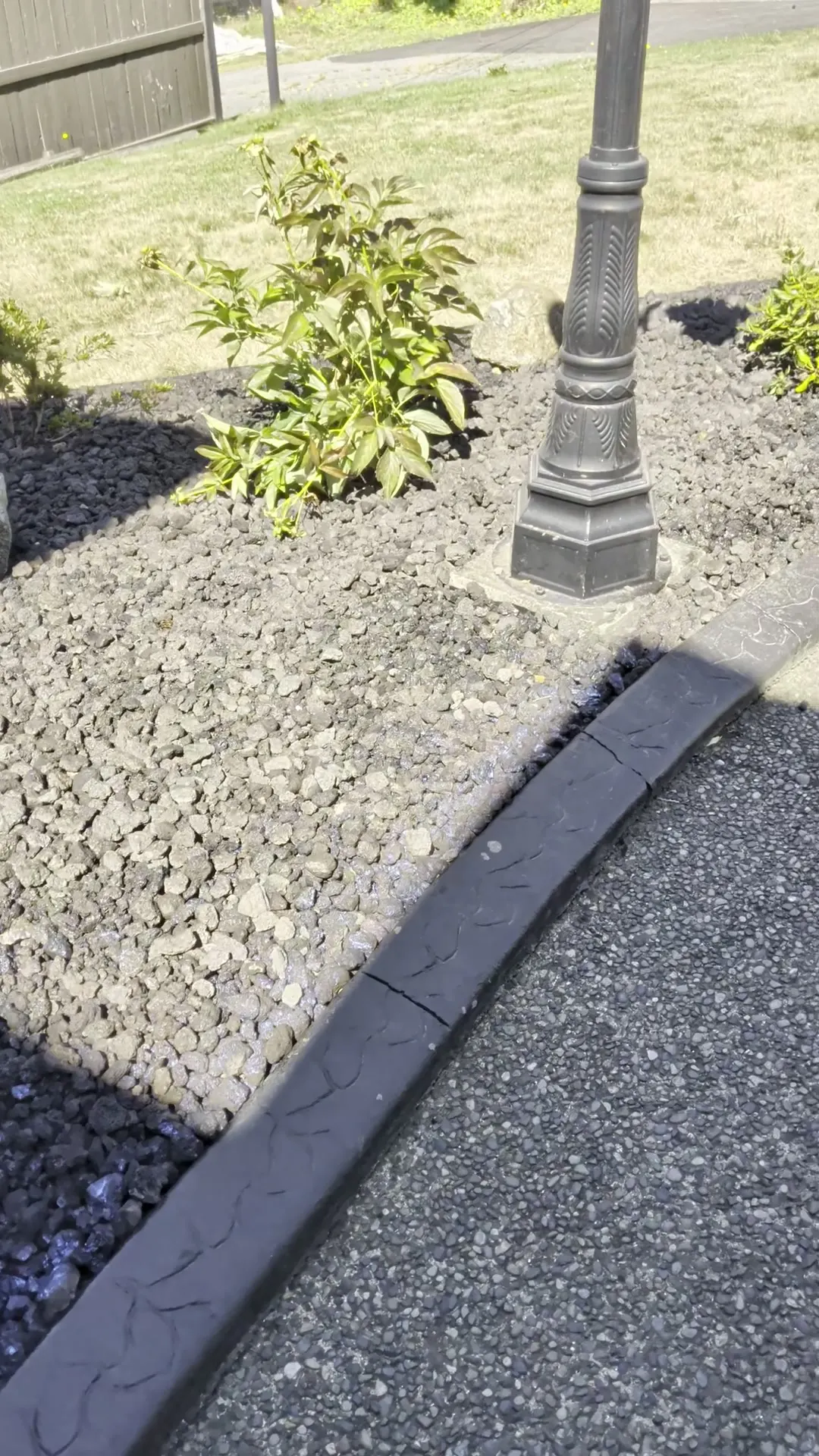
The bed's readiness beats the calendar.
On the coast, the two classic windows are spring (roughly March–May), once beds are weeded and the soil is warming, and fall (October into November), before the heavy rain sets in. But a weeded, edged, properly prepared bed can be mulched through most of the year — and an unprepared bed wastes mulch in any month. Preparation first, calendar second.
| Spring — Mar to May | The prime window. Beds are weeded before the growing season hands weeds the advantage, soil is moist and warming, and a fresh layer suppresses the spring weed flush while holding moisture for summer. Book early — this is when everyone wants it done. |
|---|---|
| Summer — Jun to Sep | Perfectly workable, and dry beds are pleasant to prepare. Water the bed before mulching so the layer locks moisture in rather than out, and expect the material to weather faster in full sun. Summer is also the practical window for optional stabilizer applications, which need dry material and a dry cure. |
| Fall — Oct to Nov | The second classic window. A fall layer insulates roots, blunts the winter weed flush, and protects bare soil from months of coastal rain. The constraint is scheduling around dry days, and getting leaves dealt with first — often paired with a fall cleanup. |
| Winter — Dec to Feb | Less about harm, more about practicality: saturated beds are heavy, easy to compact, and miserable to prepare well. Genuine needs can be handled in a dry spell; most winter requests are better booked for early spring. |
What the wet coast changes.
Most mulch advice is written for climates with real winters and dry summers. The south coast inverts that: mild, wet winters where weeds never fully stop, and dry summers where moisture retention is the whole game. Three practical consequences:
Weeds are a year-round opponent. A coastal bed skipped for one season can be fully colonized by spring — which is why weeding before mulching matters more here than the mulch itself.
Rain moves loose material. Winter storm runoff migrates mulch off slopes and unedged beds. Defined edges do most of the holding; stabilizer is the add-on for genuinely exposed spots.
Bark breaks down faster. Months of moisture accelerate decomposition — good for the soil, but it means coastal beds typically want a top-up every year or two to keep depth and colour.
The details people ask about.
What month should you put mulch down in BC?
On the coast, the classic windows are spring — roughly March through May, once beds are weeded and soil is warming — and fall, October into November, before the heavy rain sets in. But a properly prepared bed can be mulched through most of the year; preparation matters more than the month.
Can mulch be installed in fall?
Yes — fall is one of the two classic windows on the coast. A fall layer insulates roots, suppresses the winter weed flush, and softens the impact of months of rain on bare soil. The practical constraint is scheduling around dry days.
Is it ever too late or too wet to mulch?
Mid-winter on the coast is less about harm and more about practicality: saturated beds are heavy to work, easy to compact, and unpleasant to prepare properly. If a bed genuinely needs cover in winter, it can be done in a dry spell — but most winter requests are better booked for early spring.
Should mulch go down before or after planting?
After. Plant first, water in, then mulch around the new planting, keeping the material pulled back from stems and crowns. Mulching first means digging through the layer you just paid for.