Ironwood Grounds
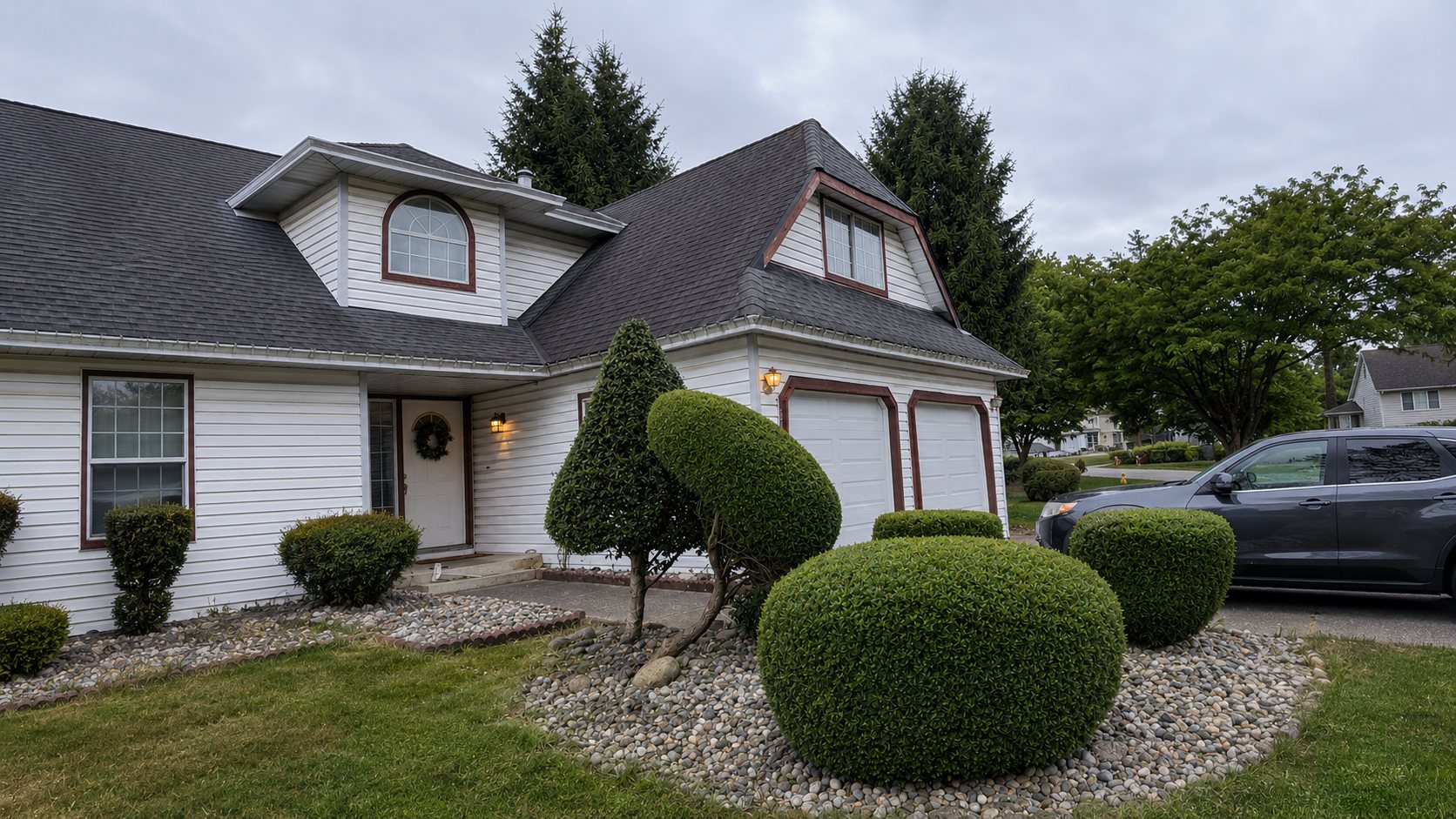
Established, freshly shaped shrubs in a river-rock bed in front of a house — from an Ironwood Grounds hedge trimming job
Hedge & shrub planting — the Peninsula

New hedges, planted to take.

Privacy hedges along a fence line, shrubs for a bare bed, and dead hedge sections replaced — in South Surrey, White Rock and Delta. Soil prepared, planted, watered in and finished with mulch.

Photo: established shrubs on one of our trimming jobs
Owner-led — one accountable crew WorkSafeBC insured & covered Fixed written quotes — no hourly surprises Planted, watered in, cleaned up
What we plant

Hedge installation, shrubs and garden beds.

Whether it is a new privacy screen or a gap in an old hedge, the work is the same: check the site, prepare the soil, plant at the right depth and spacing, water it in and leave the ground finished. One site visit, one fixed written price.

New Privacy Hedges

A row of emerald cedars or laurel along a fence line, property line or patio — spaced for the screen you want, set at the right depth and watered in. We talk through height, width and how much trimming each plant will need before anything goes in the ground.

Shrub & Garden-Bed Planting

Shrubs and perennials for a bare or tired bed, a foundation planting along the house, or a few feature plants by the entry. Beds cleared and edged, soil amended, planted, then finished with mulch or rock.

Replacing Dead Hedge Sections

Brown, dead plants taken out, the soil loosened and amended, and new plants set in to close the gap. We look at why the old ones died — drainage, drought, shade — so the replacements have a better chance than the plants before them.

Your Plants, or Sourced for the Job

We can source plants for the job or plant ones you have already bought. Which way it goes is confirmed in the written quote, so you know exactly what is included before we start.

What is in the quote

Six parts, one fixed price.

Every planting quote covers the same ground, written out so nothing is assumed. No hourly rate, and the quote states whether plants are included.

01

Site check

Sun and shade, drainage after rain, what is already in the ground, and the height and width you want the planting to reach.

02

Soil prep & amendment

Old roots, sod and debris cleared from the planting line, compacted soil loosened, and compost worked in where the ground needs it.

03

Planting

Each plant set at the depth it grew in the pot, spaced for your variety and site, and the backfill firmed so there are no air pockets.

04

Watering in

A deep soak once everything is in, to settle the soil around the roots — and a watering plan for the first summer.

05

Mulch finish

Mulch spread over the planted area to hold moisture and keep weeds down, kept clear of the stems.

06

Cleanup

Pots, soil and debris cleared, paths swept, and a walkthrough of the finished planting with you.

Choosing a hedge

Cedar or laurel?

The two hedges you see most on the Peninsula. Neither is the right answer everywhere — the site decides. Here is how they generally compare.

Emerald cedar

A narrow, upright, formal screen that stays tidy with light trims. Cedars generally do best in sun and in soil that drains well but does not dry out — they dislike both wet feet and drought.

Cedar does not regrow from bare brown wood, so a cedar hedge needs regular light trimming from the start rather than a hard cut later. Typical spacing is about 60–90 cm (2–3 ft) apart.

Laurel

Broad, glossy leaves and fast growth. Laurel copes with more shade than cedar and recovers from a hard cut, which makes it forgiving if a trim is missed.

The trade-off is width and trimming: laurel wants more room and more cuts a year to stay in bounds. English laurel also spreads by bird-carried seed and is considered invasive in parts of coastal BC, so we talk through alternatives if that matters to you. Typical spacing is wider than cedar, often around 90 cm (3 ft).

Spacings above are common ranges, not a rule. We confirm the spacing per variety and site in your quote.

When to plant, and the first summer.

On the coast, early fall is usually the best time to plant a hedge: the soil is still warm, the rain is coming, and roots have months to settle before spring growth. Early spring is the next best window. Summer planting can work, but it needs a lot more watering.

The first summer is when most new hedges succeed or fail. As general practice, water deeply and regularly through dry spells until the roots grow out into the surrounding soil — a light daily sprinkle does less than a slow soak. Soil that stays waterlogged after rain is the other common problem, and we check for it before planting.

Replacing an old hedge

Taking one out before planting new.

Sometimes a hedge is too far gone to trim back, and the better answer is to remove it and replant. Removal is where the tree bylaws come in: Surrey, White Rock and Delta each protect trees above a set trunk size, and Delta counts every 5 metres of hedge as one tree for permits. We check trunk sizes before anything comes out, and tell you plainly if it is permit territory. Details and official links are in our Surrey tree protection bylaw and hedges guide.

  • Trunk sizes checked against your city's bylaw first
  • Hedges checked for active bird nests before any cutting
  • Old root mass and debris cleared from the planting line
  • Tired soil amended before the new hedge goes in
Finishing the job

Planted, then finished properly.

A new planting looks right when the ground around it is finished too. These are from our bed refresh and trimming work — the finish a planting ends with, and what a hedge grows into with regular care.

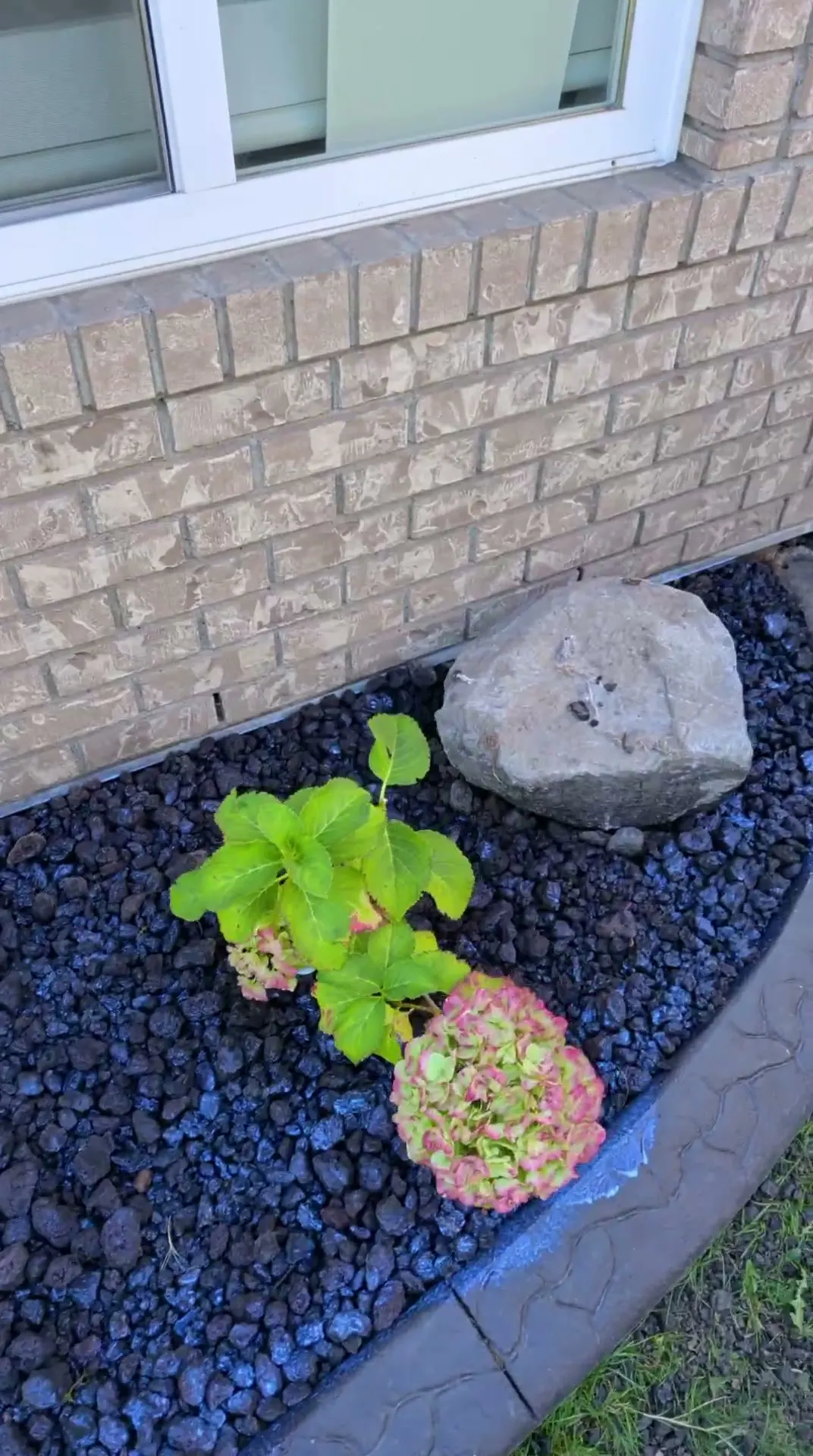
Bed refreshA garden bed against a brick wall reset in clean dark lava rock around a young hydrangea and a boulder accent
From one of our bed refreshes: clean dark rock set around young planting — the kind of finish a new shrub bed can end with.
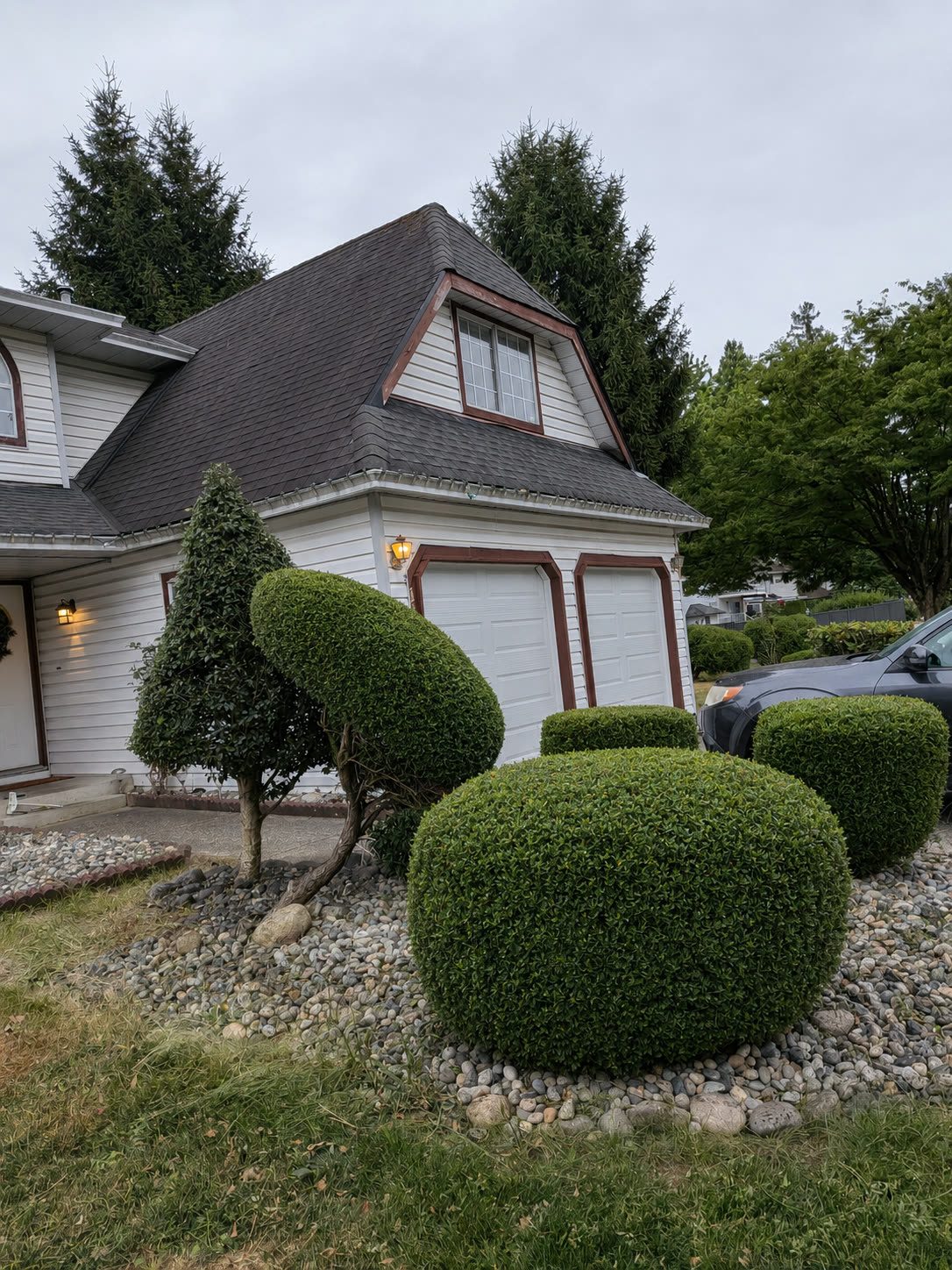
Hedge trimmingEstablished shrubs trimmed into rounded and topiary shapes in a river-rock bed beside a garage
From a trimming job: established shrubs kept dense with regular shaping — what good early care leads to.
After planting

A hedge is shaped in its first few years.

Light, regular trims while a hedge is young keep it dense from the bottom up — much easier than trying to fix a thin, leggy hedge later, especially with cedar. When yours is ready, our hedge trimming service keeps the lines even, as a one-off visit or a seasonal schedule with no lock-in.

Where we work

Hedge planting in South Surrey, White Rock and Delta.

Staying local keeps scheduling tight. Ironwood Grounds plants hedges and shrubs across the Peninsula — South Surrey, White Rock, Ocean Park, Morgan Creek, Tsawwassen, Ladner and the wider Delta area.

Questions, answered

Hedge planting, before you ask.

When is the best time to plant a cedar hedge in BC?

On the coast, early fall is usually the best window: the soil is still warm, the rain is on its way, and the roots have months to settle before spring growth. Early spring is the next best. A summer planting can work, but it needs a lot more watering to get through the heat.

How far apart should emerald cedars be planted?

Emerald cedars are typically planted about 60 to 90 cm (2 to 3 feet) apart, centre to centre, for a hedge that fills in as one continuous screen. Closer spacing fills in sooner; wider spacing needs fewer plants. We confirm the spacing for your variety and your site in the quote.

Cedar or laurel — which hedge should I plant?

Cedar makes a narrow, formal screen and does best in sun and well-drained soil, but it does not regrow from bare brown wood, so it needs regular light trims from the start. Laurel grows faster, copes with more shade and takes a hard cut, but it grows wide and needs more trimming to keep in bounds. We walk the site with you before you choose.

How much water does a new hedge need?

The first summer is the one that counts. As general practice, a new hedge needs deep, regular watering through dry spells until its roots grow out into the surrounding soil, and young cedars in particular do not cope well with drought. We talk through a watering plan for your site when the planting is done.

Do cedars like wet soil?

No. Cedars dislike sitting in waterlogged ground as much as they dislike drying out. If part of the planting line stays soggy after rain, we flag it at the site check and talk through drainage or a plant that suits that spot better.

Can you supply the plants, or plant ones I have bought?

Either. We can source plants for the job, or plant ones you have already bought. Which way you go is written into the quote, so you know exactly what is and is not included.

Can you replace dead sections of an existing hedge?

Yes. We take out the dead plants, loosen and amend the soil, and plant new ones to close the gap. A new plant starts smaller than the established hedge beside it, and we are upfront that it will take time to catch up.

Do I need a permit to take out an old hedge before replanting?

It depends on your city and the size of the hedge trees. Surrey, White Rock and Delta each protect trees above a set trunk size, and Delta counts every 5 metres of hedge as one tree for permits. We check before anything comes out. Our Surrey tree protection bylaw and hedges guide has the details and the official links.

What is included in a hedge planting quote?

A site check, soil preparation and amendment, planting, watering in, a mulch finish over the planted area, and cleanup. It is one fixed written price, and it states whether the plants are included.

Can you trim the hedge once it is growing?

Yes. Light, regular trims from the first years keep a new hedge dense from the bottom up. Our hedge trimming page covers how that works.

Which areas do you plant hedges in?

The Peninsula communities of Metro Vancouver: South Surrey, White Rock, Ocean Park, Morgan Creek, Tsawwassen, Ladner and the wider Delta area.


Request a quote

Your fixed written quote, no surprises.

Tell us what you want planted and where, and we will set a site visit — usually within one business day — then put one clear written price in your hands.

  • No hourly rates — one fixed written price
  • Your plants or sourced for the job — confirmed in the quote
  • WorkSafeBC insured & covered
(778) 850-1016

No spam, no obligation — just a fixed written quote.

Call now Request a quote