

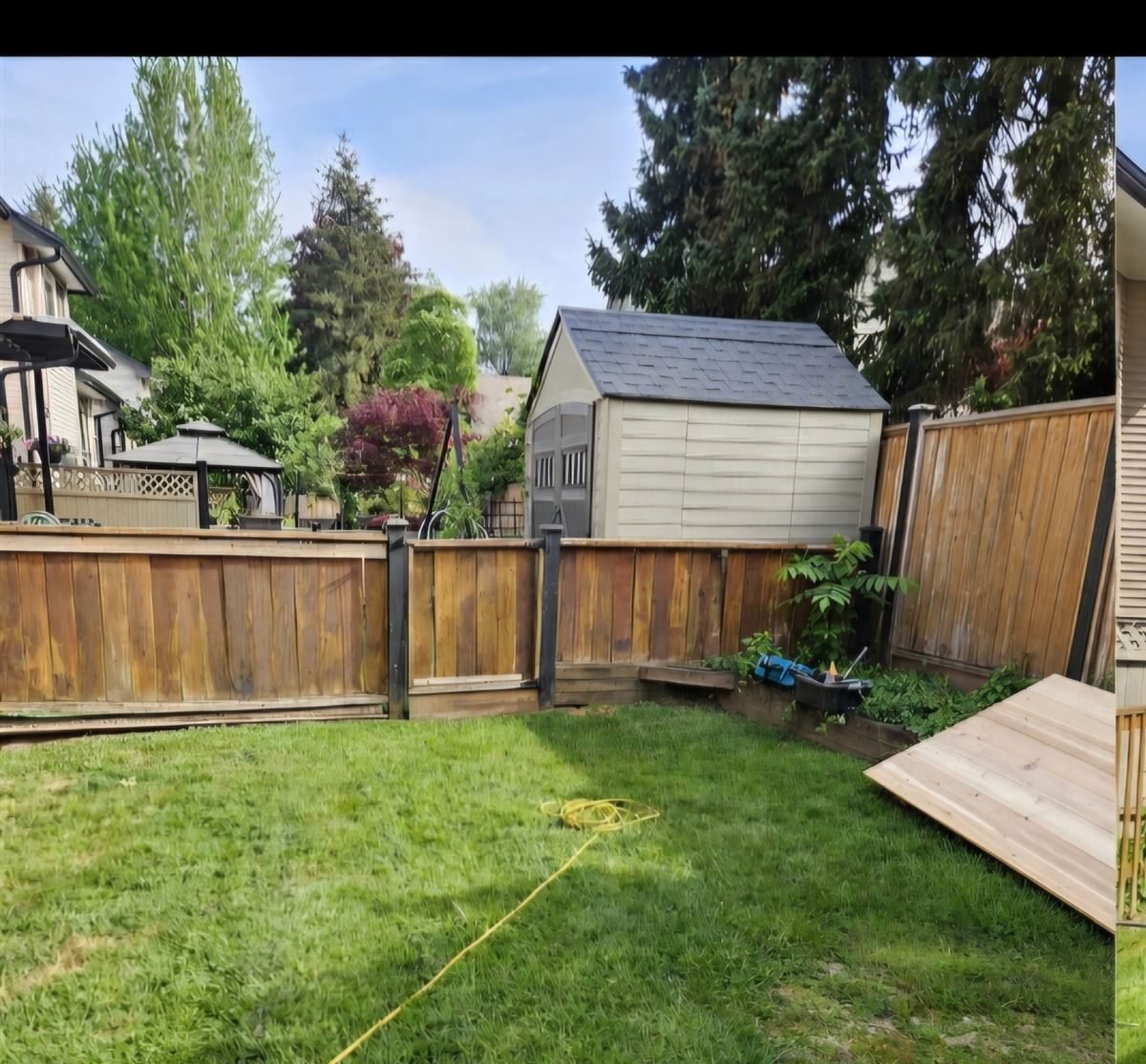
Count the failures, not the years.
A fence's age matters less than where it is failing. Posts and panels fail on different schedules: posts sit in the wettest zone of the yard and go first, while the panels above them often have years of life left. So the honest test is simple — if the failures are isolated (a couple of posts, a few boards, a sagging gate), repair exactly those and keep the rest. If the failure is widespread (soft posts along the run, rot along the bottom rails, multiple leaning sections), stop paying to patch it — a rebuild resets the clock entirely. A lot of "replacements" get sold when a few posts were the real problem, and a lot of dying fences get patched season after season. Neither is fair to you.
| One section leans, the rest stands straight | Repair. The lean is almost always one or two posts rotted at the base or heaved out of the ground — reset or replace those posts and re-secure the panels. The fence does not need to come out. |
|---|---|
| A few cracked or missing boards | Repair. Individual boards and single panels can be replaced in matching cedar; the new wood silvers to blend within a season or two. |
| The gate sags or won't latch | Repair. Gates take the most wear on any fence. Re-squaring or rebuilding the gate and resetting its hinge post fixes it — this is a day job, not a rebuild. |
| Soft, spongy wood at the base of many posts | Replace. When you can push a screwdriver into several posts at grade, the run's foundations are going together. Repairing them one at a time costs more over two years than rebuilding once. |
| Rot along the bottom rails across the run | Replace. Bottom rails rot from soil and vegetation contact; when it spans multiple sections the structure is done even if the boards above look fine. |
| The fence stands because something is holding it up | Replace. A fence leaning on a hedge, a shed or braces has already failed — the next windstorm decides the timing for you. |
It almost always starts at the ground.
Understanding why posts go first is what makes the repair-or-replace call rational instead of guesswork.
| Ground contact is the enemy | The bottom of a post lives where soil holds moisture against the wood for months of a coastal BC winter. Even naturally durable western red cedar is vulnerable in prolonged ground contact — the Western Red Cedar Lumber Association itself advises preservative treatment for wood in contact with the ground. That is why posts fail years before the panels they carry. |
|---|---|
| Drainage decides the schedule | Posts in low spots, beside downspouts, or under constant sprinkler soak fail first. Two identical fences can be a decade apart in post life purely on drainage. |
| How the post was set matters most | A post set in concrete, crowned so water sheds away from the wood, lasts dramatically longer than one set in bare soil or in concrete that cups water against the post. This is invisible on day one and decisive in year ten. |
| Panels age on a different clock | Boards and rails live in open air where they can dry out between rains. Weathering to silver-grey is cosmetic, not structural — grey boards on solid posts are a healthy fence, not a failing one. |
What each path typically costs.
Typical repair starting prices: one damaged post replaced from $150; one panel replaced on suitable existing posts from $350; one panel installed with two new posts from $450 — removal, haul-away and cleanup included. These are typical starting prices, not guaranteed quotes; access, soil and concrete conditions, dimensions and surrounding damage move the number, and your exact price is confirmed in a fixed written quote after a site visit. A full replacement is always quoted per job — length, height, grade, gates and old-fence removal drive it, which is why we put the whole number in writing rather than quoting a rate. The tipping point: when isolated repairs would need repeating across the run — several posts this year, several more next — the same money is better put toward the rebuild that ends the cycle.
Sometimes the answer is "replace one section".
From a recent Ironwood Grounds job: the old chain-link stretch came out and new board-on-board cedar and a gate went in — while the sound fencing beside it stayed. Repair-or-replace is not always all-or-nothing.
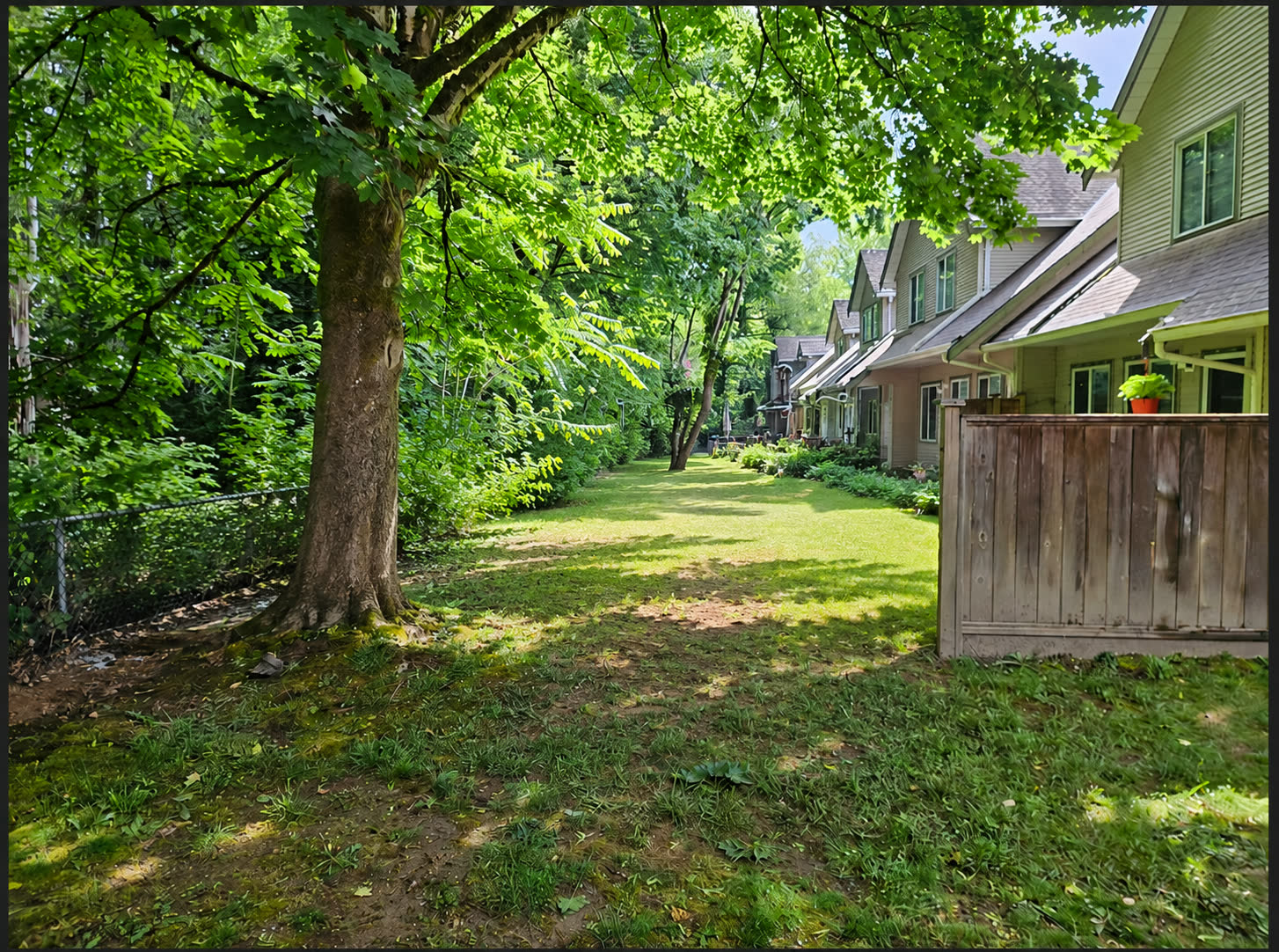
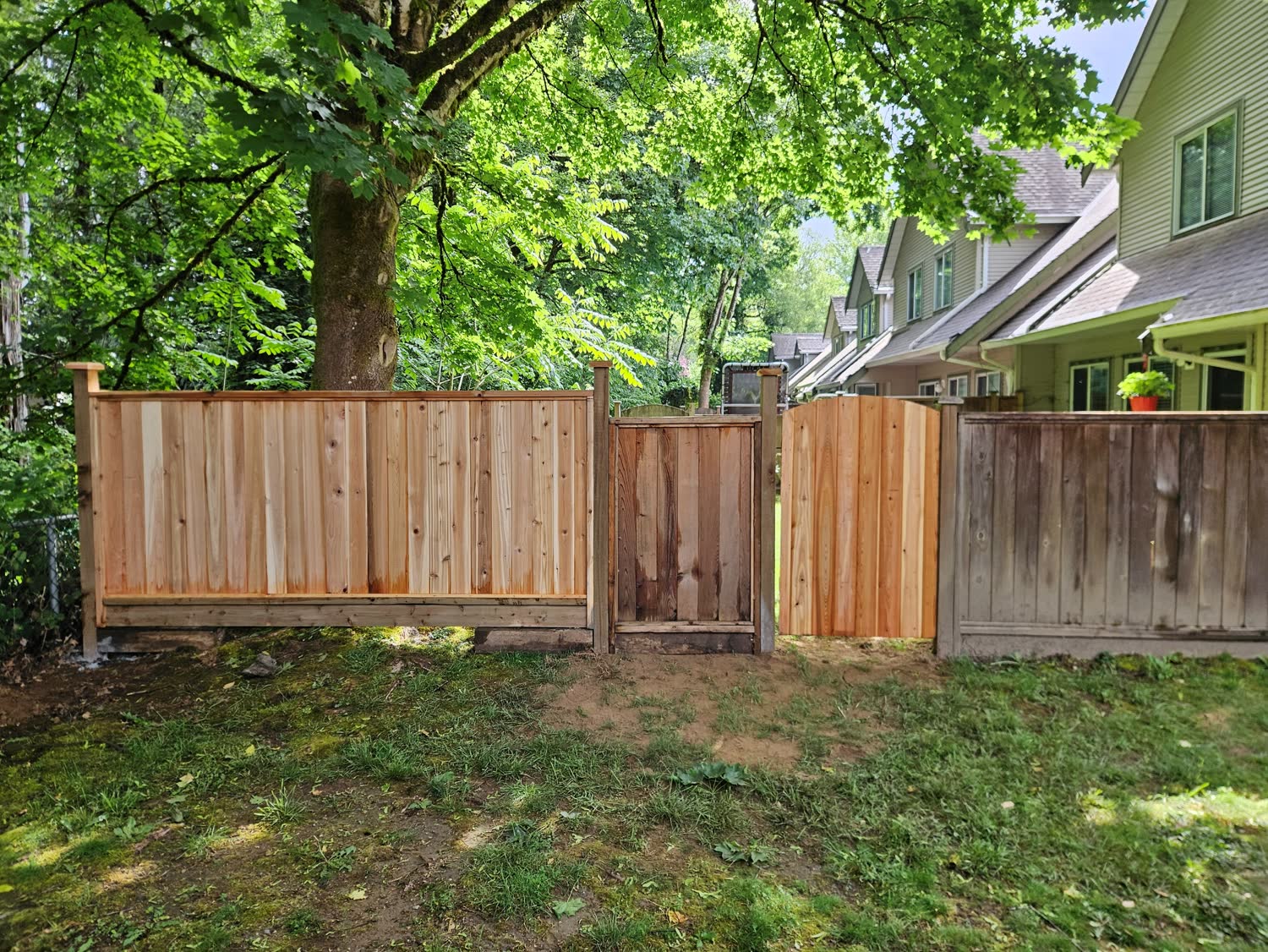
A real Ironwood Grounds project — one section replaced with board-on-board cedar and a new gate; the fence beside it stayed.
Not sure which one your fence needs?
We walk the line, find where it is actually failing, and tell you honestly whether it is a repair or a replacement — then put one fixed written price on it. Old materials hauled away either way, and we will tell you when the cheaper option is the right one.
The questions homeowners ask most.
How do I know if my fence can be repaired?
Count what has actually failed. A couple of bad posts or a few broken boards on an otherwise solid fence is a repair. Widespread rot along the bottom, multiple leaning sections, or hardware failing across the whole run usually means replacement is the better value.
Can a leaning fence be fixed without replacing it?
Usually, yes. A lean almost always comes from a post that has rotted at the base or heaved out of the ground — not from the panels. Resetting or replacing the failed posts and re-securing the panels brings the line back to plumb without a full rebuild.
Why do fence posts rot at the ground?
The base of a post lives in the wettest zone of the yard — soil holds moisture against the wood for months in a coastal BC winter, and even durable cedar is vulnerable in prolonged ground contact. That is why posts almost always fail before panels do, and why post replacement solves most "failing fence" problems.
How much does fence repair cost compared to replacement?
Typical repair starting prices: one post replaced from $150, one panel replaced on existing posts from $350, one panel with two new posts from $450 — removal and cleanup included. A full replacement is quoted per job after a site visit. The full breakdown is in our cedar fence cost guide.
When is replacing better value than repairing?
When failure is widespread rather than isolated. If most posts are soft at the base or rot runs the length of the bottom rails, each repair only buys time before the next section goes — the money is better put toward a rebuild that resets the clock entirely.
Will a repaired section match my existing fence?
A good repair should disappear into the run. Height, style and board layout can usually be matched closely; new cedar looks lighter at first and silvers to blend with the weathered boards over a season or two — or it can be stained to speed that up.
Sources, and an honest note.
This guide reflects how we assess fences on real Peninsula properties, plus published guidance on cedar's limits in ground contact:
Western Red Cedar Lumber Association — characteristics & properties of western red cedar
Every fence and yard is different — the tables above are honest rules of thumb, not a remote diagnosis. The real answer comes from walking your fence line, which is what the site visit is for.
Last reviewed: August 26, 2026.
Related guides.
One site visit. One straight recommendation.
Tell us what the fence is doing and we will set a site visit — usually within a business day or two — then give you an honest repair-or-replace call and one fixed written quote for it.